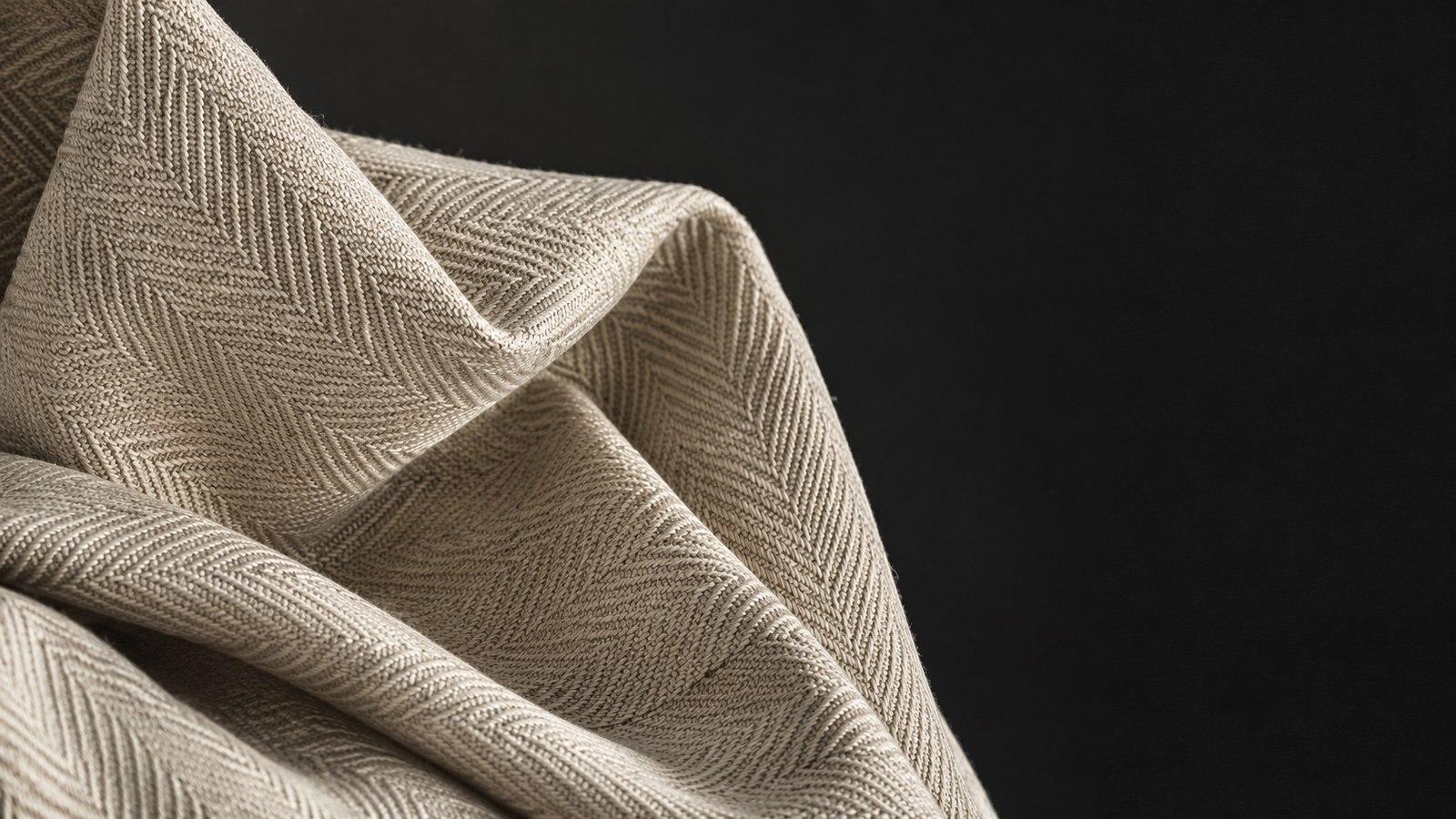
Greige Commitment: Booking Loom-State Fabric Before Colours Are Final
Greige commitment meaning: booking loom-state fabric before colours are final, who carries the liability if a style drops, and what the clause says.
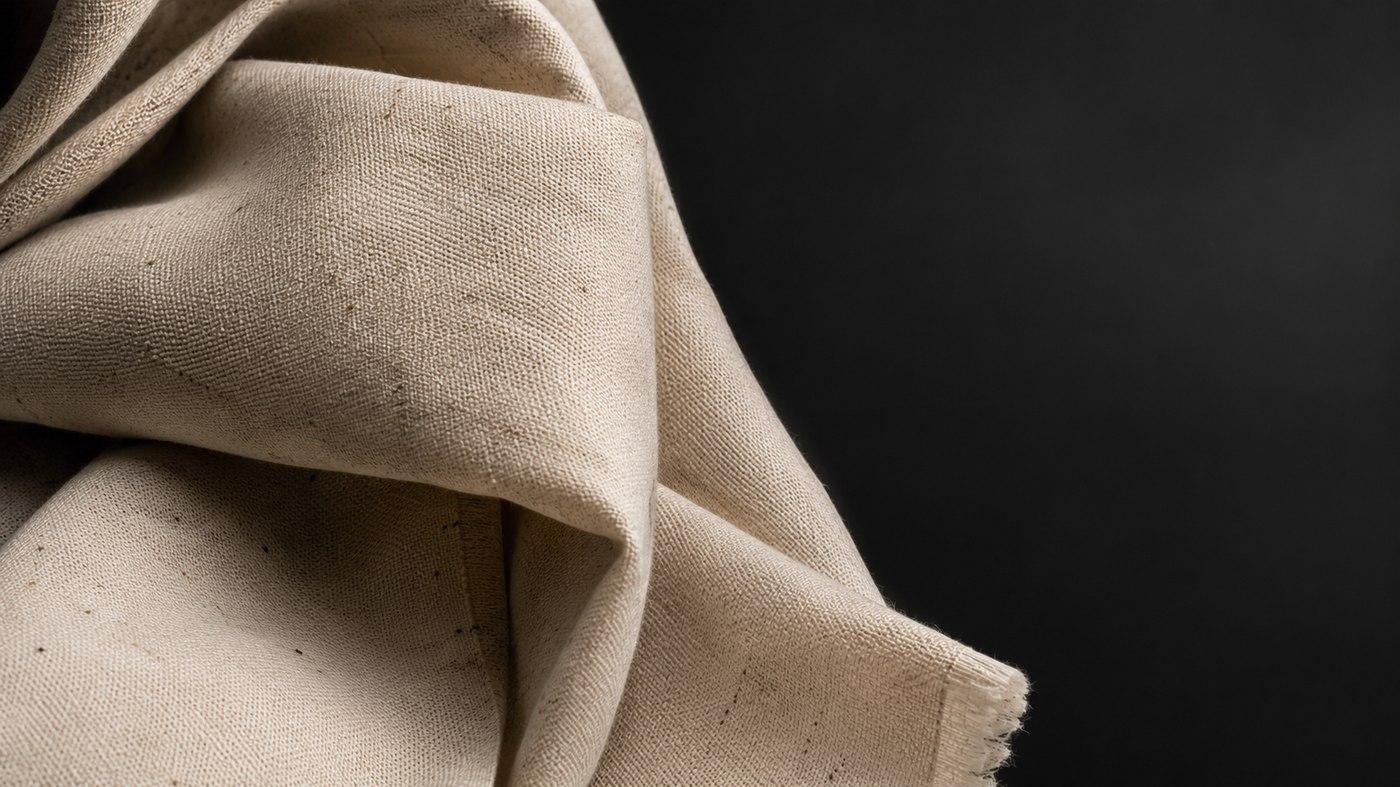
A greige commitment is a booking of loom-state fabric, in an agreed construction and quantity, placed before colours are decided. The cloth is woven against the booking and shades are called off later for dyeing or printing. You secure the base quality and loom time early, and in exchange you carry liability for the greige woven for you.
What does greige commitment mean?
Greige, also called grey or loom-state fabric, is cloth as it comes off the loom: unbleached, undyed and unfinished. A commitment turns that cloth into a contract line. You name the construction, for example a 40 × 40 / 120 × 60 plain-weave cotton at roughly 95–120 GSM, state a quantity in greige metres and authorise weaving. What the cloth is gets fixed now; what colour it becomes gets fixed later, at the colour call-off.
| Stage | What is decided | What becomes fixed | Flexibility left |
|---|---|---|---|
| Forecast | Styles, units per style, base quality | Nothing contractual | Full |
| Greige booking | Construction, greige width, greige metres, delivery window | Yarn, warp beams, loom time | Shade, colour split, finish |
| Colour call-off | Shades, metres per shade, finish | Dyed or printed cloth per shade | Almost none |
The split works because undyed greige can still become any shade the base suits, while dyed fabric is tied to one colour and one approved lab dip. Liability grows at each stage.
Why would a brand book greige before its colours are decided?
Weaving is typically one of the longest stages, and colour is often the last decision. Wait for final colours before ordering cloth and weaving time sits on your critical path. Booking greige moves it off: the cloth is woven while the range is still being edited, and only dyeing or printing, finishing and inspection remain after the call-off. The guide to fabric lead times by stage shows where the weeks typically go.
Two further reasons buyers commit early:
- Capacity. A booked loom position is harder to lose when a busy season fills a weaving unit.
- One base, many colours. If four styles share a construction, one booking covers all of them, and the colour split can follow demand.
The trade-off is that capital and risk move earlier. You commit metres against a forecast, not orders, and if the forecast is wrong the greige exists anyway.
How do you size a greige booking from a finished-metre forecast?
Book in greige metres, but calculate from finished metres. Start with the forecast: 1,875 shirts at a marker consumption of 1.6 m of finished fabric per shirt is 1,875 × 1.6 = 3,000 finished metres. Work that out at the finished cuttable width, never the greige width.
The greige figure is then higher, because wet processing contracts the cloth, and threading, lot joins, trial lengths and inspection cut-outs consume metres. That change belongs to a specific construction, fibre and route, so there is no standard percentage. The allowance is set from an approved pre-production sample, as the greige-to-finished conversion guide explains, and the processor should confirm the greige quantity against it. The arithmetic is then division, with the allowance written as a fraction of the greige:
Greige metres = finished metres ÷ (1 − allowance)
Adding the allowance on top of the finished metres looks equivalent but under-books, because the loss is taken from the greige you start with. If one colour runs through a different route, convert it separately with its own allowance before adding the totals.
Who carries the liability if a style is dropped after greige is booked?
Under common industry practice, the party that authorised the weaving carries the liability for greige woven against it: a dropped style does not cancel cloth that already exists. How much of that liability becomes a loss depends on what happens to the uncut greige next. Buyers and suppliers typically work down this list:
| Route | What happens to the greige | Typical cost to the buyer | Works when |
|---|---|---|---|
| Reallocate | Moves to another style in the range | Little or none | Another style uses the same construction and width |
| Convert | Dyed to a different shade at call-off | None beyond the original commitment | The base suits the new shade |
| Hold | Stays undyed for a later call-off | Agreed storage terms | A future season will use the base |
| Take delivery | Buyer receives the greige undyed | Full greige value | The buyer can process it elsewhere |
| Stock lot | Sold on to another user | Any shortfall against the booked value | A market exists for the construction |
The word that matters is undyed. Greige can be reallocated or converted because no colour has been applied. Once cloth is dyed to one buyer's shade, its options narrow to a darker overdye or a stock-lot sale, so liability after the call-off is heavier and harder to reduce.
Timing matters at the front end too. Cancel before weaving starts and liability usually narrows to yarn bought and warp prepared; after weaving, it covers the woven metres. Terms vary between suppliers, so the clause, not custom, should settle it.
Is booking an existing greige construction different from commissioning a new one?
Yes, and the difference is the minimum. On Burhan-coordinated orders, commissioning new greige weaving carries a minimum of 10,000 m, because putting a construction on a loom that isn't already running is a production decision, not a purchase. An available greige construction already in the library is not subject to that figure, and quantity is confirmed per quality.
That changes the size of the bet. A 10,000 m new construction suits a programme where several styles or seasons will share one base; an available construction already in the library is a lower-commitment entry point. The comparison of greige, RFD and PFD bases covers which base to book, and the low-MOQ greige cotton fabric page sets out the route for smaller bookings.
What should a greige commitment clause state?
Write it so that a dropped style already has an agreed answer:
- Construction: fibre, counts, ends × picks, weave, greige width and GSM, referenced to an approved sample.
- Quantity: greige metres, with the finished metres and allowance behind them.
- Quantity tolerance: accepted over- or under-delivery.
- Call-off deadline: the date shades and metres per shade must be confirmed.
- Minimum per colour: so the split clears per-colour dyeing minimums.
- Storage: who holds the greige, in what conditions, and for how long.
- Remedy order for a dropped style: reallocate, convert, hold, then take delivery.
- Liability cap: greige value while undyed; processing costs only once a shade is called off.
- Cancellation before weaving: what is owed for yarn and warp already prepared.
- Acceptance and invoicing: how the greige is inspected, and whether it is invoiced per metre or per kilogram.
Burhan Enterprises is a Karachi sourcing partner, not a mill: we match a requirement to suitable partner units. Set out your forecast, base construction and colour timing in a sourcing brief, or request swatches of the base you are considering.
Quick answers
What does greige commitment mean? A greige commitment is a booking of loom-state fabric in a fixed construction and quantity, made before colours are chosen. The cloth is woven against the booking and shades are called off later for dyeing or printing. The buyer gains loom time and an earlier start, and carries liability for the greige woven if the plan changes.
How do I work out the greige metres to book? Divide finished metres by one minus the processing allowance for that construction and route, because adding the allowance on top of finished metres under-books. The allowance has no standard value: it is set from an approved pre-production sample, and the processor should confirm the greige quantity against it.
What happens to greige if a style is dropped? The greige still exists, so the buyer who authorised the weaving usually still carries the liability. The least costly outcomes come first: move the metres to another style on the same construction, dye them to a different shade, or hold them undyed for a later season. Taking delivery or selling the greige as a stock lot comes last, usually with a shortfall.
Why is greige safer to commit than dyed fabric? Undyed greige can still become any shade the base suits and any style that uses the same construction and width. Dyed fabric is fixed to one colour and one buyer's approved lab dip, so its resale routes are narrow. Committing at greige stage and calling off colour late keeps most of a booking flexible until demand by colour is known.
When should the colour call-off happen? As late as delivery allows, but early enough for dyeing, finishing and inspection to fit before shipment. Work backwards from the required delivery date using the processor's time per stage after lab-dip approval, and write that date into the commitment clause. The clause should also say what a missed date triggers, such as storage or take-delivery terms.
Bereit, diesen Stoff zu beschaffen?
Kostenlose Stoffmuster, ehrliche Lieferzeiten, ein verantwortlicher Partner.
Kostenlose Stoffmuster anfordern