Lab Dips Explained
A lab dip is how your exact colour gets confirmed before bulk. Here's how the process works and how to approve one well.
Scheduled article — part of the Development series.
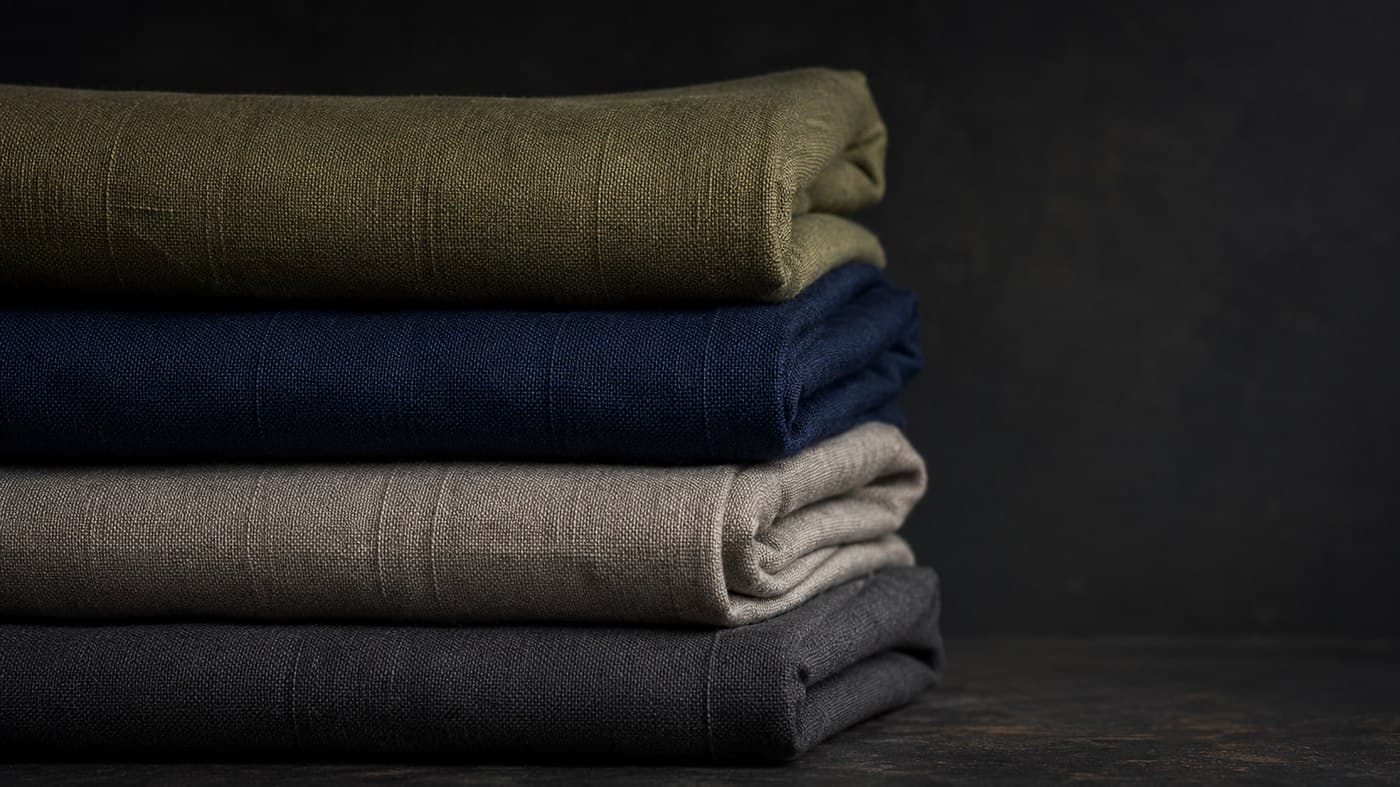
A lab dip is a small swatch dyed to match your target colour, produced before bulk so everyone signs off on the exact shade. It's a modest step — a few square centimetres of fabric — but it carries more commercial weight than almost any other approval in the development process.
Why lab dips matter
Colour is where bulk orders go wrong. A shade that looked right on screen can land noticeably off in fabric, and by the time bulk is dyed, correcting it means re-dyeing or rejection — both expensive, both slow. A lab dip removes the guesswork: you approve a physical shade on your actual base before a single metre of bulk is dyed, and that approved swatch becomes the contractual reference everyone works to.
How it works
- You provide a target — a Pantone TCX/TPX reference, a physical swatch, or both. A physical standard is always stronger: paper and fibre reflect light differently.
- The dye house lab dips to match, on your chosen base. Most labs submit two or three options (often labelled A, B and C) — typically the closest match plus slightly warmer or cooler alternatives.
- You assess the dips under consistent lighting and approve one — or request an adjustment with a specific direction ("half a shade redder", "less yellow").
- The approved dip becomes the standard for bulk. Bulk production is then checked against it, usually with a shade band showing acceptable variation.
Each round typically takes about a week, so build one or two rounds into your critical path. Vague feedback is the biggest cause of extra rounds — "not quite right" tells the lab nothing; "too green, needs more red" gets you there next time.
Lighting: where most disputes start
Metamerism is the phenomenon where two colours match under one light source but split apart under another — and it's behind most colour disagreements between buyer and supplier. The industry manages it by assessing under standardised light sources in a light box:
| Light source | Simulates | Typically used for |
|---|---|---|
| D65 | Average daylight | Primary standard for most approvals |
| TL84 | European/Asian store lighting | Retail check |
| CWF | US store lighting | US retail programmes |
| UV | Ultraviolet content | Detecting optical brighteners |
Agree with your supplier which light source is primary (D65 is the usual default) and check the dip under a second source for metamerism. If you don't have a light box, north-facing daylight at a consistent time of day is the practical fallback — never mixed office lighting.
Approving a lab dip well
- Assess under consistent, agreed light, with the dip flat against your standard, viewed at the same angle.
- Judge on the actual base fabric, not paper — the same recipe reads differently on poplin versus twill.
- Note whether you're approving as-is or as a "commercial match with tolerance" — many programmes work to an agreed instrumental tolerance (commonly CMC ΔE of 1.0 or less) alongside visual sign-off.
- Keep the approved dip filed and reference it by number in your bulk order.
Common pitfalls
Approving from a photograph, signing off under the wrong light, and skipping the lab dip entirely on "simple" colours like black and navy — which are actually among the hardest to match — are the three mistakes we see most. Getting the lab dip right protects your whole order.
Request a lab dip or read about custom development.
Klaar om dit te sourcen?
Gratis stalen, eerlijke levertijden, één aanspreekbare partner.
Vraag gratis stalen aan