How to Read a Fabric Construction (20×24 / 60×60)
Fabric construction codes look cryptic but describe exactly what you're buying. Learn to read yarn counts and thread density like a sourcing pro.
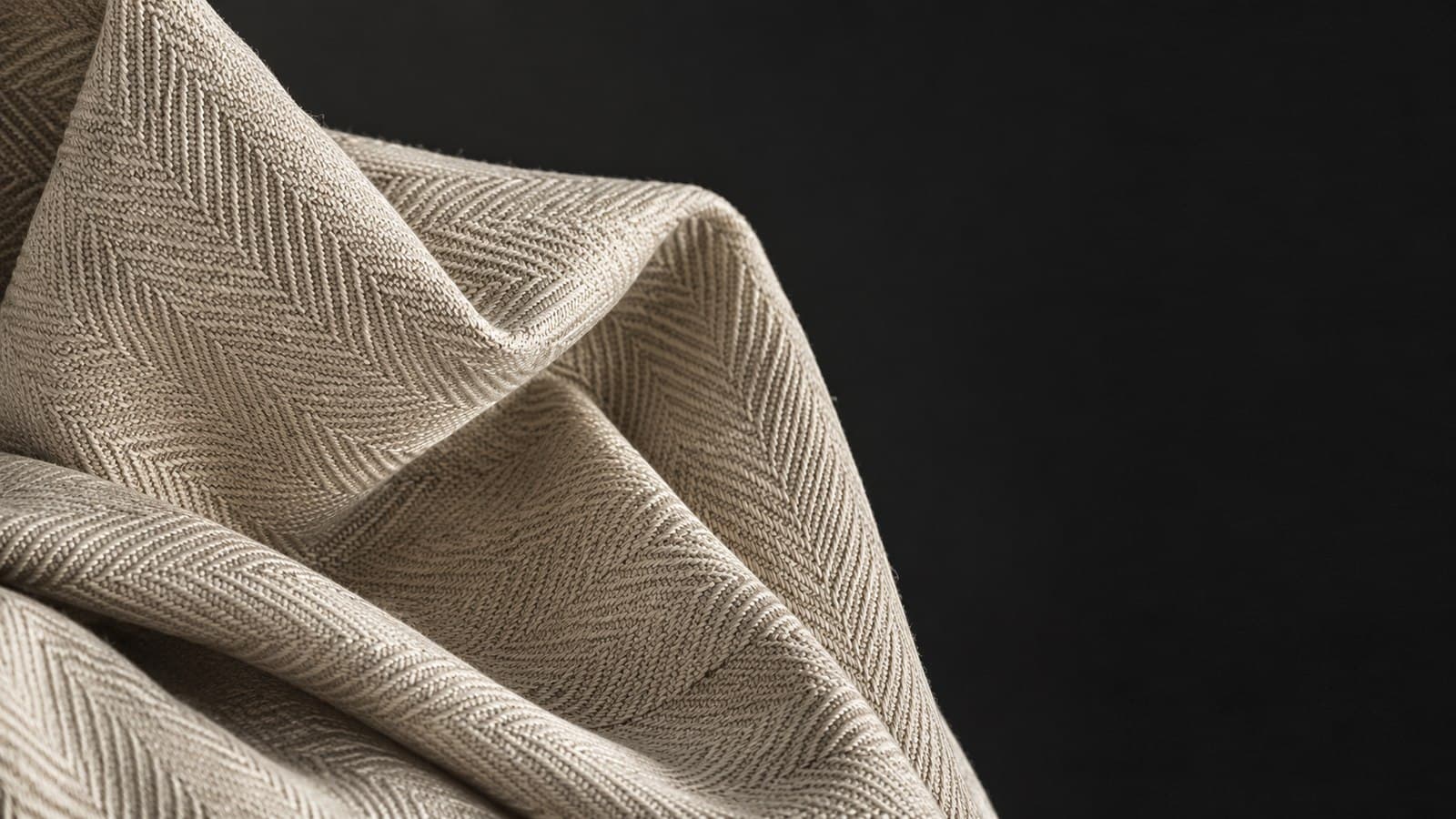
A construction like 20×24 / 60×60 / 57" tells you almost everything about a woven fabric — once you know how to read it. It's the closest thing the industry has to a universal shorthand, and being fluent in it lets you compare offers from any supplier on equal terms.
The two halves
- Yarn count (20×24): the thickness of the warp and weft yarns. Lower numbers = thicker, heavier yarns; higher numbers = finer yarns. The first figure is warp (lengthwise), the second is weft (crosswise).
- Thread density (60×60): ends per inch × picks per inch — how many yarns are packed into each direction. Higher density = tighter, more durable, often heavier cloth.
The trailing figure (57") is the usable width.
Why is a higher count finer?
Cotton yarns are numbered in the English cotton count (Ne) — an indirect system based on how many standard-length hanks of yarn weigh one pound. The finer the yarn, the more length you get per pound, so the higher the number. That's why a 40s yarn is fine shirting territory while a 10s yarn belongs in canvas. It feels backwards at first; after a week of reading specs it becomes second nature.
A worked example: 20×24 / 60×60 / 57"
| Element | Value | What it tells you |
|---|---|---|
| Warp count | 20s | A fairly coarse, sturdy lengthwise yarn |
| Weft count | 24s | A slightly finer crosswise yarn |
| Ends per inch | 60 | 60 warp yarns in every inch of width |
| Picks per inch | 60 | 60 weft yarns in every inch of length |
| Width | 57" | Usable width for your marker |
Put together: coarse-ish yarns at a moderate, balanced density. This reads as a medium-weight utility cloth — sheeting or a light bottomweight around the 140–150 GSM mark, not a fine shirting and not a canvas.
You can sanity-check the weight yourself with the mill approximation GSM ≈ (EPI ÷ warp count + PPI ÷ weft count) × 25.6. Here: (60÷20 + 60÷24) × 25.6 = (3 + 2.5) × 25.6 ≈ 141 GSM, plus a few percent for crimp. It's an estimate, not a lab result — but it will catch a spec that doesn't add up before you've paid for sampling.
Why it matters
Two fabrics can share a fibre — say 100% cotton — but feel completely different based on construction. A 20×20/60×60 poplin and a 40×40/133×72 poplin are both cotton, but one is a sturdy bottomweight and the other a fine shirting. Construction is also where quiet cost-cutting hides: a supplier dropping picks from 72 to 68 saves yarn and money, and the code is the only place it shows before the cloth does.
A quick reading checklist
- Are the yarns coarse or fine? (yarn count)
- Is the weave tight or open? (thread density)
- Does the width suit your cutting plan?
- Does the resulting weight (GSM) match your end use?
- Is the spec quoted greige or finished? (width and density both shift in processing)
Once you can read construction, you can compare qualities objectively instead of relying on a swatch alone — and you can write briefs that any weaving unit in the world will understand first time.
Every quality in our Fabric Library lists full construction data. Request free swatches to put numbers and hand-feel side by side, or start a development if you'd like help matching a spec.
Ready to source this?
Free swatches, honest lead times, one accountable partner.
Request free swatches