Greige, RFD or dyed? Choosing the right base for your order
Loom-state, ready-for-dye or piece-dyed — how to pick the base that gives you the most control for the least risk.
One of the first decisions in any fabric order is deceptively simple: what state do you want the base in? Get it right and you control cost, colour and lead time. Get it wrong and you pay for processing you didn't need — or lose the flexibility you did.
Here's how the three main states compare.
Greige (loom-state)
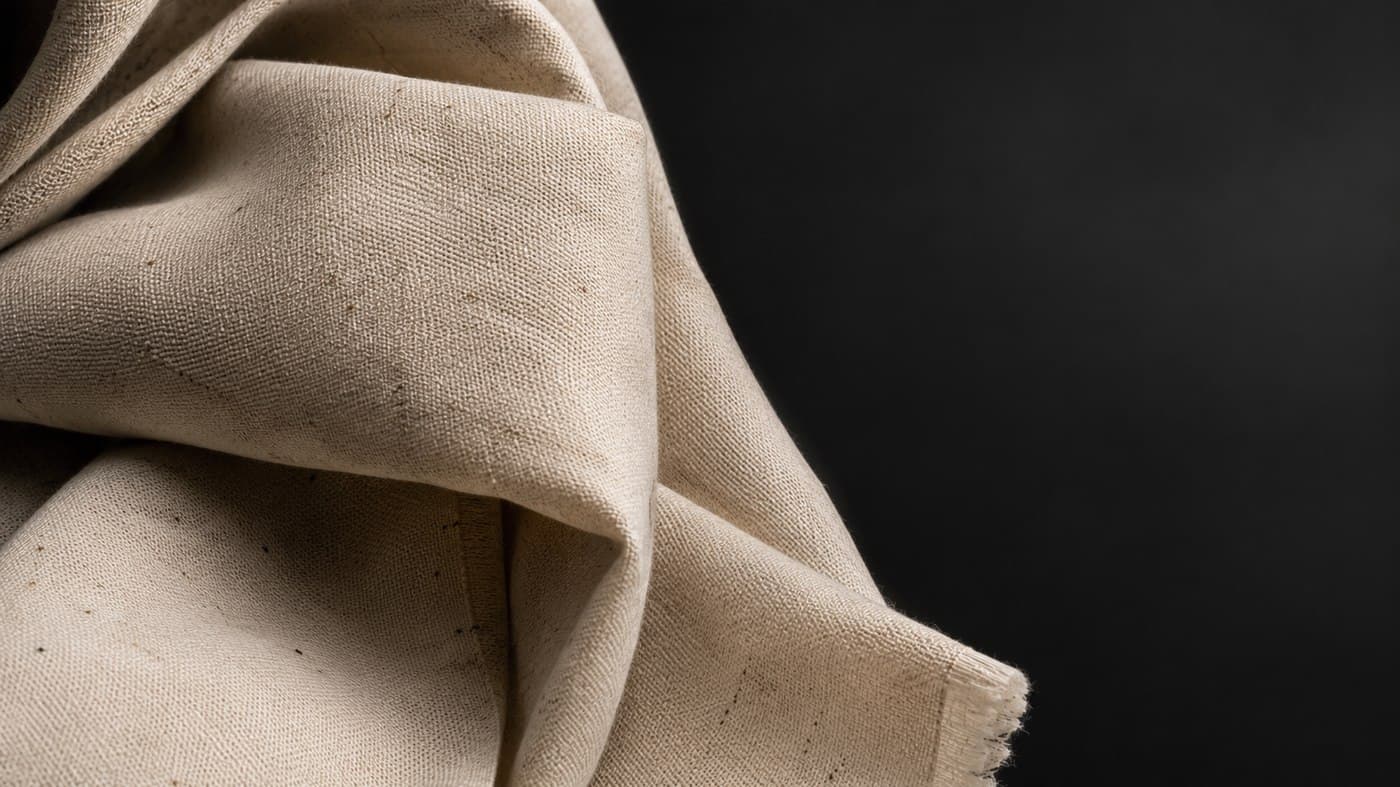
Greige is fabric straight off the loom — woven, but not yet dyed or finished. It's the most flexible starting point: you (or we, on your behalf) decide the dyeing, printing and finishing route later.
Choose greige when:
- You want to develop your own colours or prints
- You're testing constructions before committing to a finish
- You need maximum control over the downstream process
- You want one raw-material position feeding several finished SKUs
The trade-off is that greige needs processing before it's garment-ready, so factor that time and cost into your plan. Remember too that greige specs shift in processing — width contracts and GSM typically rises — so agree whether quotes describe loom-state or finished dimensions.
RFD (ready-for-dye)
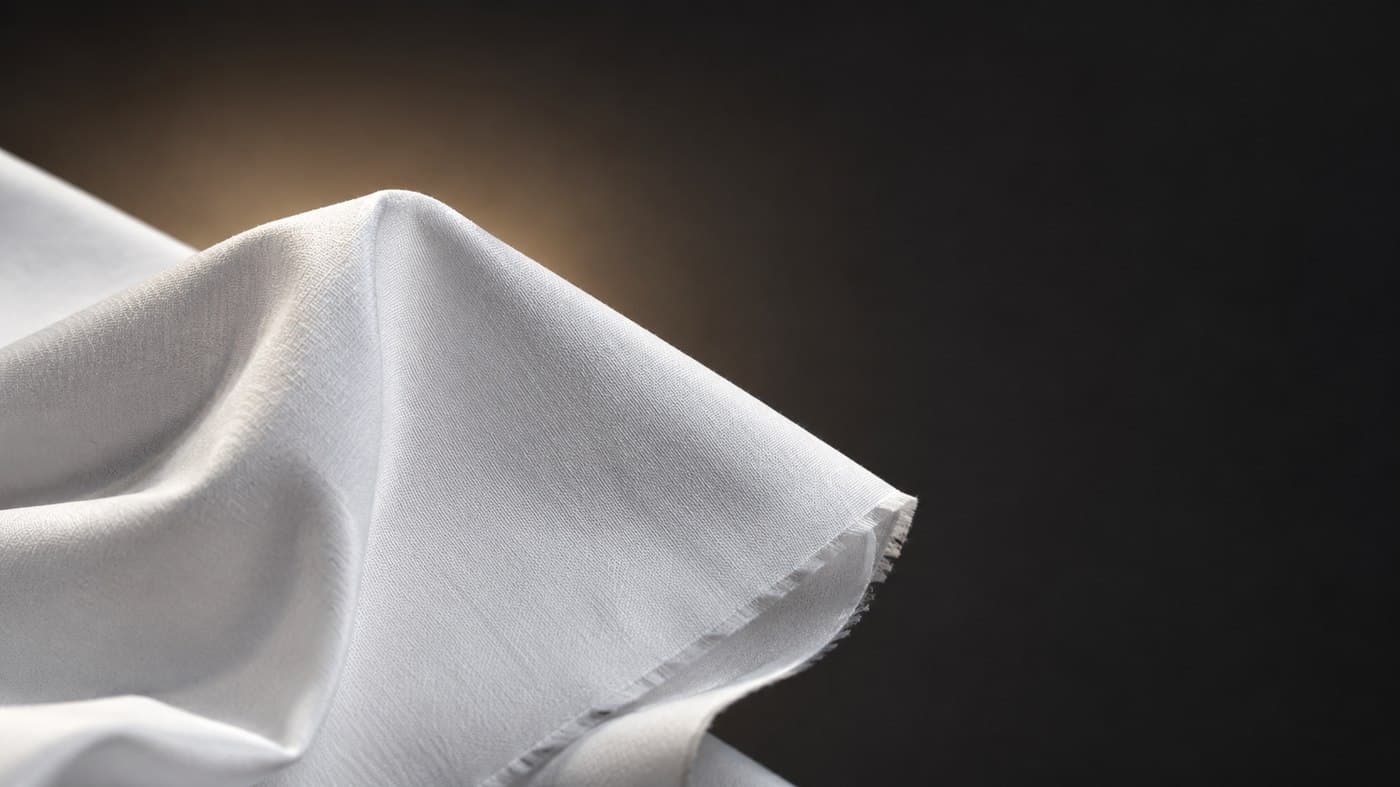
RFD — sometimes "prepared for dyeing" — is fabric that's been desized, scoured and usually bleached so it takes dye cleanly and evenly. It's the natural middle ground: the risky preparation work is done, but the colour decision is still yours.
Choose RFD when:
- You're developing your own shades but want a reliable, dye-ready base
- Colour consistency matters and you don't want to manage preparation yourself
- You're targeting whites or pale shades, where impurities left in greige would show
One check worth making: confirm whether the RFD is fully bleached or scoured-only. Pale and bright shades need the former; deep shades can often use the latter.
Dyed solids
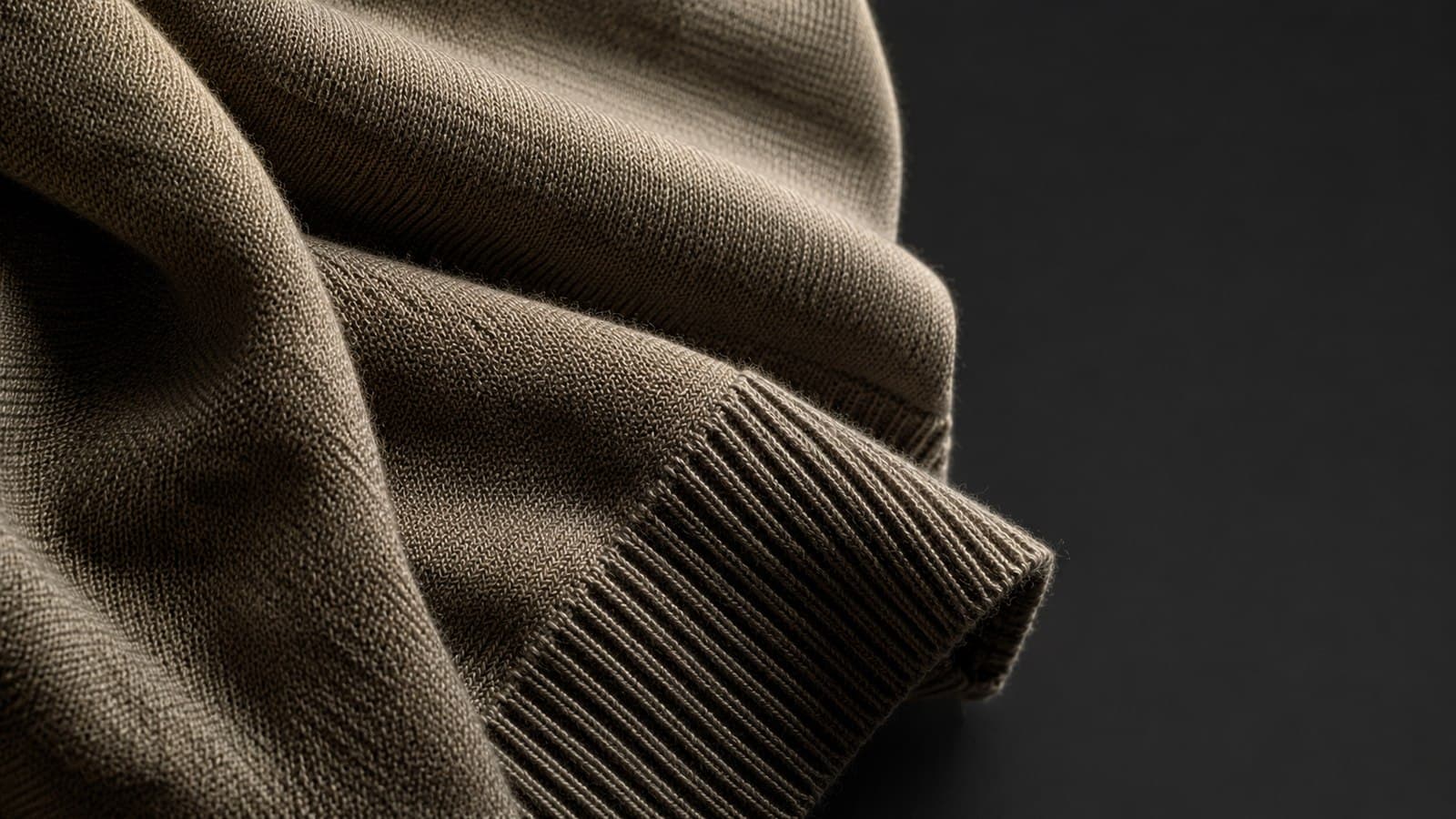
Piece-dyed and yarn-dyed solids arrive in colour, ready to move faster toward sampling and bulk. Piece-dyed cloth is dyed after weaving and suits solid shades; yarn-dyed cloth is woven from pre-dyed yarns, which is how stripes, checks and chambrays are built.
Choose dyed when:
- You know the shade you want and it exists in our library
- Speed matters more than bespoke colour development
The trade-off is commitment: once fabric is dyed, that metreage is locked to that shade. If your colour palette is still moving, dyeing early converts flexible stock into inventory risk.
Cost, lead time and risk
Each step of processing adds cost and calendar time, but removes a variable. Greige is cheapest per metre and slowest to garment-ready; dyed is the dearest base but the fastest to cut. RFD sits between the two — and for custom colours it's often the sweet spot, because preparation quality (not the dyehouse) is where most shade problems actually start.
Whichever state you pick, plan lab dips before bulk dyeing and keep dye lots grouped by garment to avoid visible shade steps within a style.
A quick rule of thumb
| If you want… | Start with | Watch out for |
|---|---|---|
| Full control of colour & finish | Greige | Processing time and spec changes after finishing |
| A clean, dye-ready base | RFD | Bleached vs scoured-only preparation |
| Speed to a known colour | Dyed | Shade commitment and dye-lot variation |
Still unsure?
That's exactly what development is for. As a sourcing partner coordinating weaving, processing and dyeing units, we can take a reference or an end-use description and steer you to the right base, weight and construction — before you commit metreage to the wrong state.
Start a development or request free swatches to compare bases in hand.
Ready to source this?
Free swatches, honest lead times, one accountable partner.
Request free swatches