RFD Fabric: What 'Ready for Dyeing' Means
RFD (ready-for-dye) fabric is prepared to take colour cleanly and evenly. Here's how it differs from greige and when to specify it.
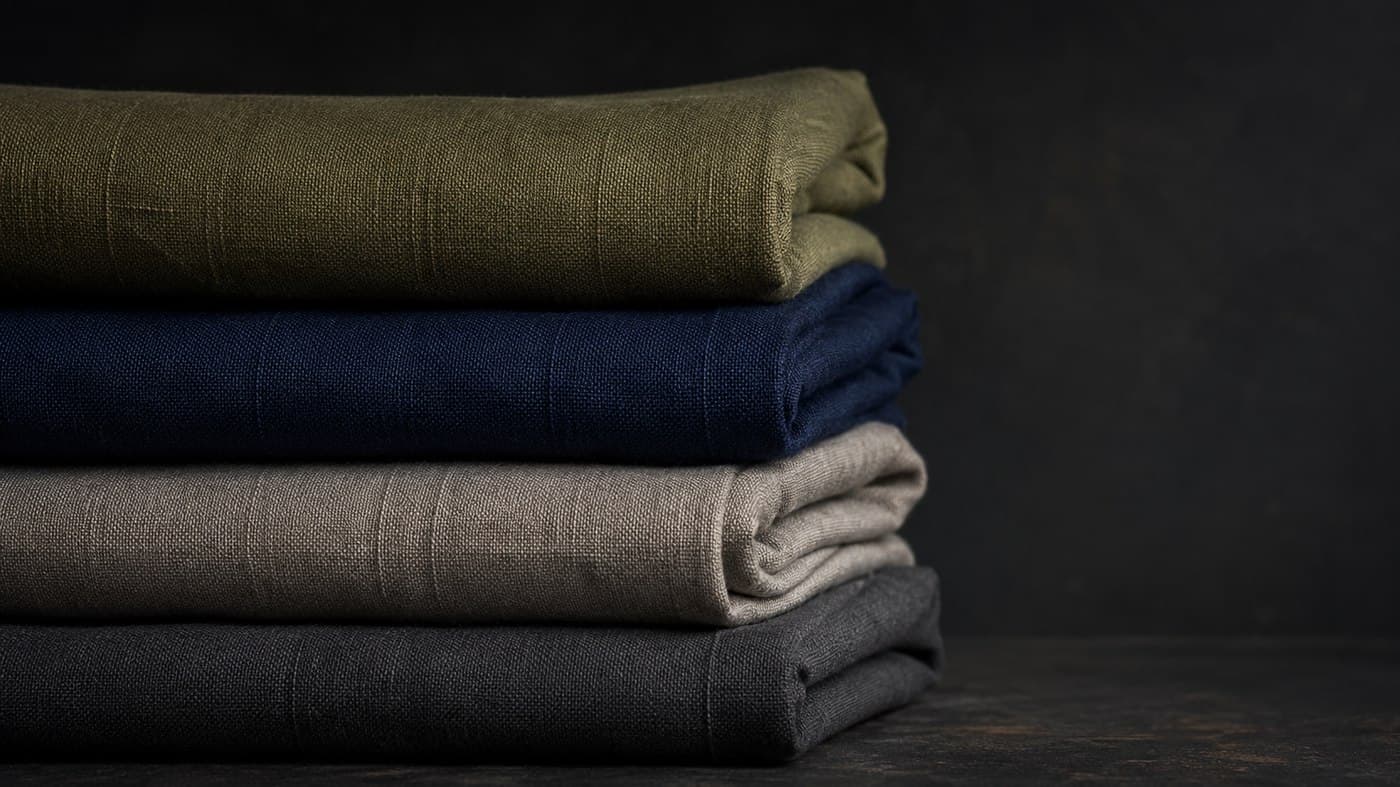
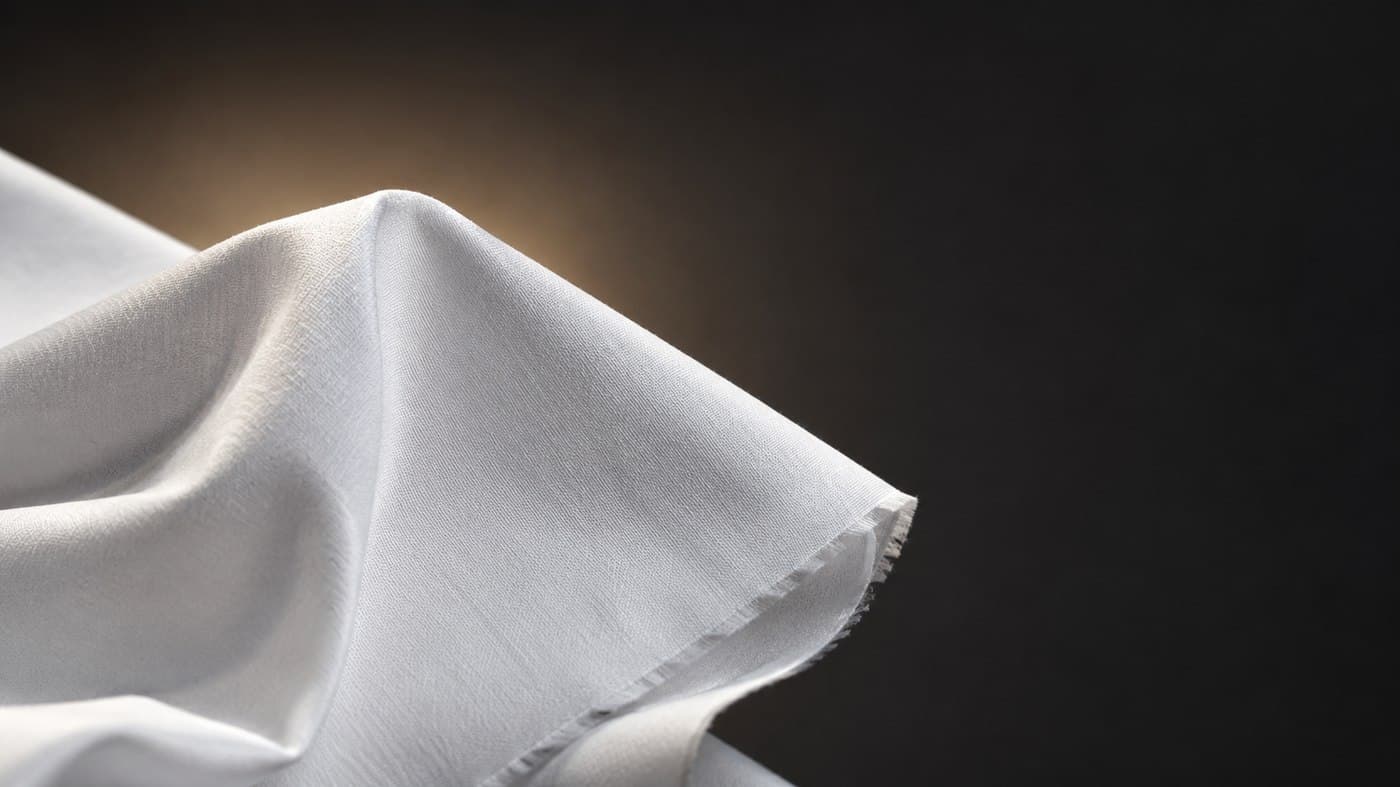
RFD stands for ready for dyeing (sometimes "prepared for dyeing", PFD). It's fabric that has been scoured, and often bleached and pre-treated, so it accepts dye cleanly and evenly — without the impurities that can cause uneven shades on raw greige.
What preparation actually involves
Cotton straight off the loom carries a surprising amount of baggage: starch-based size applied to the warp for weaving, natural waxes and pectins from the fibre itself, seed fragments, and general mill soil. None of it takes dye evenly, so preparation strips it out in stages:
- Desizing removes the warp size, usually with enzymes.
- Scouring boils out waxes, pectins and oils so the fibre becomes properly absorbent.
- Bleaching (where specified) removes natural cream colour for a clean white base — essential under pale or bright shades.
- Mercerising (optional) treats the fabric with caustic soda under tension, increasing dye uptake, lustre and strength.
The result is fabric that wets out instantly and dyes level. A quick drop-of-water test tells the story: greige beads water on the surface; well-prepared RFD absorbs it in seconds.
Greige vs RFD vs finished — where each fits
| Stage | What's been done | Best when |
|---|---|---|
| Greige | Nothing — loom state | You control preparation and dyeing yourself |
| RFD | Desized, scoured, often bleached | You want your own colours with minimum shade risk |
| Dyed/finished | Fully coloured and finished | You want a ready shade off the rack |
Greige is straight off the loom and the cheapest way to hold stock, but every metre still needs preparing before it can be coloured. RFD has been through preparation so it's dye-ready. If you're developing your own colours and want predictable, repeatable results, RFD saves you a processing step and removes the single biggest cause of uneven dyeing — inconsistent preparation.
When to specify RFD
- You're developing custom colours and want consistent, level uptake batch after batch
- You need clean whites or pale shades where residual impurities or yellowness would show
- You're garment-dyeing, where fabric must be fully absorbent before cut-and-sew
- You want to control colour but not the preparation process itself
What to confirm on an RFD spec
- The base construction and weight — quote the finished-state figures, since preparation shrinks the fabric slightly from its greige dimensions
- Whether the RFD is bleached or scoured-only: scoured-only (semi-bleach) is fine under mid-to-dark shades; full bleach is needed for whites and pastels
- Absorbency and pH — well-prepared fabric should wet out quickly and sit close to neutral pH, so residual alkali doesn't shift your shade in dyeing
- Whether the base is mercerised, as this changes both dye consumption and the final lustre
- Any finish requirements after dyeing (e.g. softening, sanforising)
One small distinction worth knowing: PFD is often used for fabric prepared without optical brightening agents, specifically so garment dyers get true colour uptake. If you plan to garment-dye, ask for OBA-free preparation explicitly.
RFD is the natural middle ground between loom-state greige and finished dyed solids — maximum colour control with minimum shade risk, and usually the fastest route from an approved lab dip to bulk.
Browse RFD in our Fabric Library or request free swatches to check the preparation quality in hand.
Ready to source this?
Free swatches, honest lead times, one accountable partner.
Request free swatches