Przejdź do treści

Ta strona jest tymczasowo wyświetlana w języku angielskim — tłumaczenie (Polski) jest w przygotowaniu.

Burhan Enterprises logoBURHAN ENTERPRISESComplex Fabric Solutions

Insights

Notes from the supply chain

Practical guidance on sourcing, construction, MOQs, development and export.
Fabric Composition Testing: How a Lab Proves 65/35, and Why It Varies — article cover image
Sourcing Practice8 min czytania

Fabric Composition Testing: How a Lab Proves 65/35, and Why It Varies

Fabric composition test explained: how labs dissolve one fibre to prove a blend ratio, why moisture, finish and sampling shift results, and how to word it.

Stretch Wovens: Weft or Bi-Stretch, and How Growth and Recovery Work — article cover image
Development8 min czytania

Stretch Wovens: Weft or Bi-Stretch, and How Growth and Recovery Work

Stretch fabric growth and recovery explained for cotton-elastane wovens: core-spun weft, comfort vs power stretch, width loss, and how to specify it.

GOTS vs OCS: What Each Organic Standard Certifies and Lets You Claim — article cover image
Compliance8 min czytania

GOTS vs OCS: What Each Organic Standard Certifies and Lets You Claim

GOTS vs OCS compared: what each organic standard certifies, its organic content rules, processing and social criteria, and which label claim each one supports.

Greige Width Explained: How Reed Width Caps the Width You Can Order — article cover image
Fabric Education8 min czytania

Greige Width Explained: How Reed Width Caps the Width You Can Order

Greige width explained: how loom reed width sets the ceiling, how greige width becomes finished and cuttable width, and how to state width on a greige order.

Colour Fastness Grades Explained: What 3–4, 4 and 4–5 Mean on a Report — article cover image
Sourcing Practice8 min czytania

Colour Fastness Grades Explained: What 3–4, 4 and 4–5 Mean on a Report

Colour fastness grade 4 meaning explained: how grey scales rate shade change and staining, how half grades work, and how to set pass grades on a report.

Buying Stock-Lot Fabric: Seven Checks Before You Commit — article cover image
Low-MOQ Sourcing8 min czytania

Buying Stock-Lot Fabric: Seven Checks Before You Commit

Stock lot fabric buying checklist: metres per roll, shade lots, usable width, composition proof, defects, age and storage damage, and planning for no reorder.

Pigment vs Reactive Printing on Cotton: Handle, Fastness and Choice — article cover image
Development8 min czytania

Pigment vs Reactive Printing on Cotton: Handle, Fastness and Choice

Pigment vs reactive printing on cotton: binder on the surface versus dye bonded to the fibre, how handle and fastness differ, and which to ask for.

Ply Yarn Notation: What 40/2, 2/40s and 40+40/2 Mean in a Construction — article cover image
Fabric Education8 min czytania

Ply Yarn Notation: What 40/2, 2/40s and 40+40/2 Mean in a Construction

Learn the 40/2 yarn count meaning: single versus ply yarn, why two 80s singles plied act like a 40s, how ply changes strength and handle, and how to read it.

What a Fabric Quotation Should State: Lines to Check Before You Agree — article cover image
Sourcing8 min czytania

What a Fabric Quotation Should State: Lines to Check Before You Agree

Fabric quotation format checklist: construction, width, GSM band, unit of sale, tolerances, tests, packing, validity, Incoterm and when lead time begins.

Direct, Sulphur, Pigment: The Cotton Dye Classes Beyond Reactive and Vat — article cover image
Fabric Education8 min czytania

Direct, Sulphur, Pigment: The Cotton Dye Classes Beyond Reactive and Vat

Cotton dye classes compared: direct, sulphur and pigment beside reactive and vat, how each attaches to the fibre, typical fastness, and what to ask.

Importing Fabric From Pakistan Into the EU: Roles, EORI and Paperwork — article cover image
Compliance9 min czytania

Importing Fabric From Pakistan Into the EU: Roles, EORI and Paperwork

How to import fabric from Pakistan to EU markets: importer of record, EORI, customs broker, Incoterms, origin evidence and the paperwork errors to avoid.

Garment-Dyed vs Piece-Dyed: What a Garment-Dye Base Fabric Needs — article cover image
Development8 min czytania

Garment-Dyed vs Piece-Dyed: What a Garment-Dye Base Fabric Needs

Garment dyed vs piece dyed: where colour enters the chain, why garment dyeing needs a prepared RFD base, matching thread and trims, and a shrinkage allowance.

Ripstop Fabric Explained: How the Grid Stops Tears, and Ripstop vs Drill — article cover image
Fabric Education8 min czytania

Ripstop Fabric Explained: How the Grid Stops Tears, and Ripstop vs Drill

What is ripstop fabric? How reinforcing yarns form a tear-stopping grid, how to read a PC ripstop construction, and when it beats drill for workwear.

Lawn Season Planning: Working Back From Launch Date to Print Approval — article cover image
Low-MOQ Sourcing9 min czytania

Lawn Season Planning: Working Back From Launch Date to Print Approval

Lawn collection planning timeline: work back from launch to base fabric, strike-off rounds and bulk print, and split designs between digital and rotary.

Streaks, Barré and Shade Bars: Is the Fault in the Greige or the Dyeing? — article cover image
Sourcing Practice8 min czytania

Streaks, Barré and Shade Bars: Is the Fault in the Greige or the Dyeing?

What causes streaks in dyed fabric? Trace barré, shade bars and stripes to the yarn, the loom or the dyehouse, confirm each, and keep the evidence for a claim.

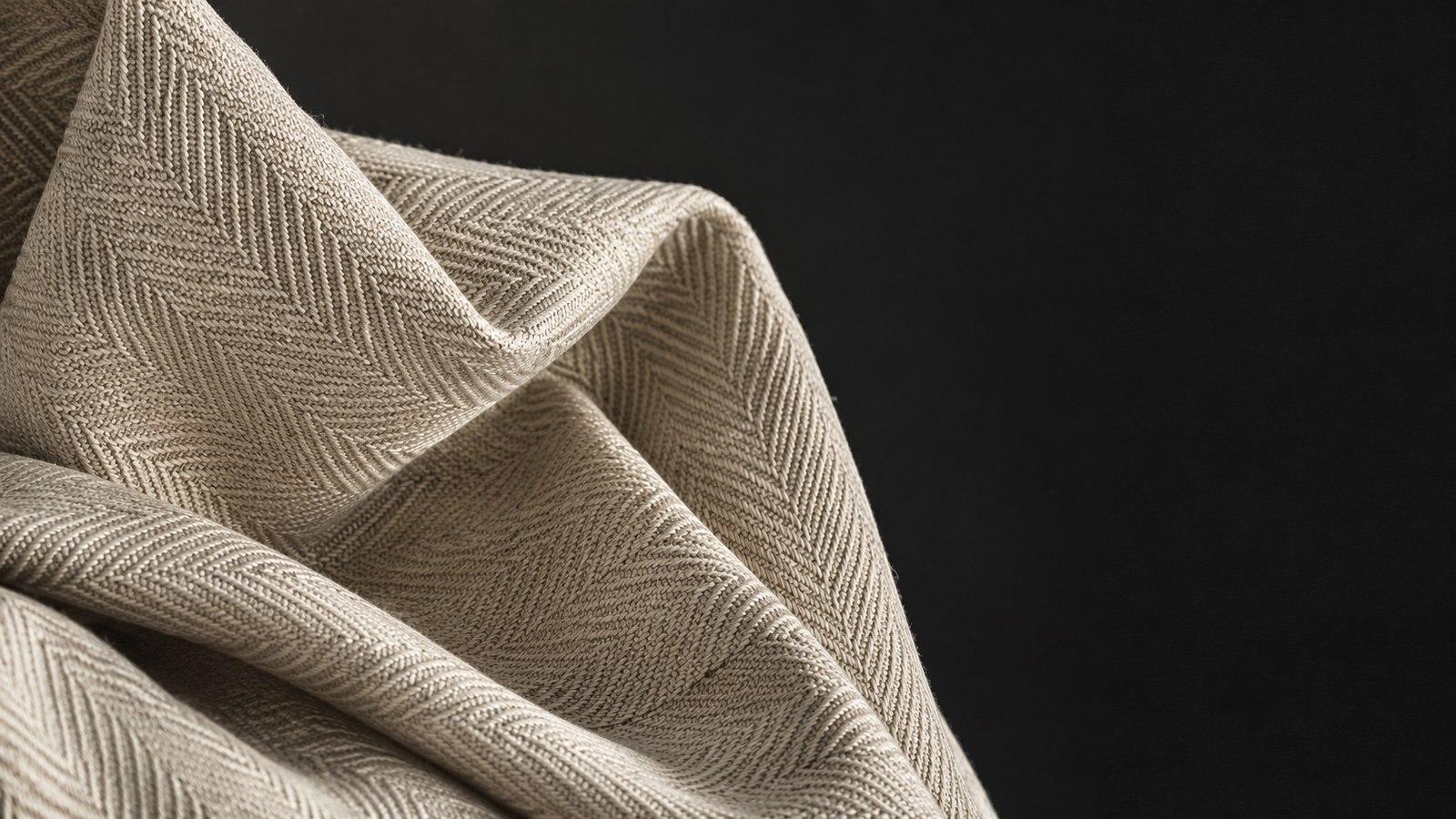
Herringbone vs Twill: Is Herringbone Just a Broken Twill? — article cover image
Fabric Education8 min czytania

Herringbone vs Twill: Is Herringbone Just a Broken Twill?

Herringbone vs twill: how the reversal point creates the zigzag, whether herringbone is heavier or stronger, and which one suits jackets, chinos and shirting.

HS Codes for Woven Fabric: How Cotton Share and Weight Decide the Code — article cover image
Compliance8 min czytania

HS Codes for Woven Fabric: How Cotton Share and Weight Decide the Code

HS code for cotton fabric explained: how the 85% cotton line, the 200 g/m² split and blend make-up decide 5208 to 5212 or 5513 and 5514, with worked examples.

Mill, Converter, Jobber or Sourcing Partner: Who Sells Fabric to Brands? — article cover image
Sourcing8 min czytania

Mill, Converter, Jobber or Sourcing Partner: Who Sells Fabric to Brands?

Fabric converter vs mill vs jobber vs sourcing partner: what each role does, the minimums and control each typically offers a new brand, and when you need none.

Sanforized Fabric: What Compressive Shrinking Does and Doesn't Guarantee — article cover image
Sourcing Practice8 min czytania

Sanforized Fabric: What Compressive Shrinking Does and Doesn't Guarantee

What is sanforized fabric? How compressive shrinking cuts residual shrinkage in denim and twill, why it is never zero, and how to specify it before cutting.

One Quality, Four Colours: Planning Colourways Around Dye Minimums — article cover image
Low-MOQ Sourcing9 min czytania

One Quality, Four Colours: Planning Colourways Around Dye Minimums

Fabric minimum order per colour, worked through: split one quality into core and seasonal shades, when to drop a colour, and when RFD or digital print fits.

How Polyester-Cotton Fabric Is Dyed: Two Fibres, Two Dye Classes — article cover image
Fabric Education8 min czytania

How Polyester-Cotton Fabric Is Dyed: Two Fibres, Two Dye Classes

How is polyester cotton fabric dyed? Disperse dye for the polyester, reactive or vat for the cotton, one bath or two, and why blend shades can drift apart.

PFHxA in Clothing Fabric: What the EU Restriction Means for Buyers — article cover image
Compliance8 min czytania

PFHxA in Clothing Fabric: What the EU Restriction Means for Buyers

PFHxA restriction textiles 2026: what EU Regulation 2024/2462 limits, which fabrics it covers from October 2026 and 2027, and how to brief PFAS-free finishes.

What Is a CFA in Fabric Printing? Strike-Off vs CFA vs Bulk Header — article cover image
Development8 min czytania

What Is a CFA in Fabric Printing? Strike-Off vs CFA vs Bulk Header

Cutting for approval fabric explained: how a CFA differs from a strike-off and a bulk header, what each print approval proves, and the risk of skipping one.

Greige Commitment: Booking Loom-State Fabric Before Colours Are Final — article cover image
Sourcing8 min czytania

Greige Commitment: Booking Loom-State Fabric Before Colours Are Final

Greige commitment meaning: booking loom-state fabric before colours are final, who carries the liability if a style drops, and what the clause says.

RFD Fabric Testing: Checking a Base Before It Goes to the Dyer — article cover image
Sourcing Practice8 min czytania

RFD Fabric Testing: Checking a Base Before It Goes to the Dyer

RFD fabric testing before dyeing: the absorbency drop test, residual size, whiteness and pH checks that catch a poor base, and how to write them onto an order.

Poplin Density: How 133 × 72 vs 144 × 76 Changes the Shirt — article cover image
Fabric Education8 min czytania

Poplin Density: How 133 × 72 vs 144 × 76 Changes the Shirt

Poplin density explained: how 133 × 72 and 144 × 76 differ in weight, opacity, crispness and seam slippage at 40s count, with a table for choosing shirting.

Cuttable Width Explained: The Number That Decides Your Fabric Yield — article cover image
Fabric Education4 min czytania

Cuttable Width Explained: The Number That Decides Your Fabric Yield

What cuttable width means, how it differs from overall fabric width, and how to specify it in writing so your markers and consumption stay accurate.

Piece-Dyed vs Yarn-Dyed Fabric: What the Difference Means for Your Order — article cover image
Fabric Education4 min czytania

Piece-Dyed vs Yarn-Dyed Fabric: What the Difference Means for Your Order

Piece-dyed fabric is coloured after weaving; yarn-dyed fabric is woven from pre-dyed yarns. Here's how that one difference shapes looks, MOQs and lead times.

Fabric Tests to Request Before Bulk: A Practical Checklist — article cover image
Sourcing Practice4 min czytania

Fabric Tests to Request Before Bulk: A Practical Checklist

Which fabric tests to request before bulk production — GSM, shrinkage, colour fastness, pilling, strength, skew — and which are non-negotiable by end use.

Pakistan Fabric Sourcing: Brief to Bulk — article cover image
Sourcing Practice4 min czytania

Pakistan Fabric Sourcing: Brief to Bulk

Step by step: how to brief a Pakistani supplier, agree GSM and width tolerances in writing, and manage approvals from sample to bulk.

Cotton Lawn vs Voile: Construction, Weight and End Use — article cover image
Fabric Education4 min czytania

Cotton Lawn vs Voile: Construction, Weight and End Use

Lawn and voile are both lightweight plain-weave cottons, but they differ in yarn, density and opacity. How to tell them apart and when to specify each.

Woven Fabric Tolerances: What GSM and Width Variation Is Normal — article cover image
Sourcing4 min czytania

Woven Fabric Tolerances: What GSM and Width Variation Is Normal

Fabric tolerance is the agreed band bulk may vary within. What GSM and width variation is normal in woven fabric, and how to pin it down in writing.

Vat vs Reactive Dyeing: Which Route for Which Fabric — article cover image
Fabric Education4 min czytania

Vat vs Reactive Dyeing: Which Route for Which Fabric

Reactive and vat are two of the principal dye classes for cellulosic fibres. Here's how their chemistry, fastness and shade range decide which route your fabric takes.

Poly-Cotton Blend Ratios Explained: 65/35 vs 60/40 vs 80/20 — article cover image
Fabric Education4 min czytania

Poly-Cotton Blend Ratios Explained: 65/35 vs 60/40 vs 80/20

What 65/35, 60/40 and 80/20 actually mean in poly-cotton, how the ratio changes durability, hand and wash performance, and which blend fits which end use.

From 100 m to 3,000 m: Choosing Digital or Rotary by Order Size — article cover image
Low-MOQ Sourcing5 min czytania

From 100 m to 3,000 m: Choosing Digital or Rotary by Order Size

How order size decides between digital and rotary printing — minimums per colour per design, the crossover logic, mixed programmes and a worked example.

Why Fabric Minimums Exist: The Machine Maths Behind MOQs — article cover image
Low-MOQ Sourcing5 min czytania

Why Fabric Minimums Exist: The Machine Maths Behind MOQs

Fabric MOQs are largely set by machine batch sizes rather than sales policy alone. How looms, dye lots and rotary screens create minimums — and the honest ways around them.

Fabric MOQs for Startup Brands: What Is Actually Realistic — article cover image
Low-MOQ Sourcing4 min czytania

Fabric MOQs for Startup Brands: What Is Actually Realistic

Realistic fabric MOQs for startup brands — stock qualities with no development minimum, 100 m digital print runs, and when dyeing and rotary minimums apply.

Low-MOQ Digital Fabric Printing: How 100 m Per Colour Per Design Works — article cover image
Low-MOQ Sourcing4 min czytania

Low-MOQ Digital Fabric Printing: How 100 m Per Colour Per Design Works

Digital printing needs no engraved screens, so minimums fall to around 100 m per colour per design. How low-MOQ print programmes work, and where rotary still wins.

Strike-Offs and Print Approvals — article cover image
Development3 min czytania

Strike-Offs and Print Approvals

A strike-off confirms your print before bulk. What it is, what to check, and how to approve one with confidence.

Lab Dips Explained — article cover image
Development3 min czytania

Lab Dips Explained

A lab dip is how your exact colour gets confirmed before bulk. Here's how the process works and how to approve one well.

Fabric Finishes: Mercerized, Enzyme, Peached — article cover image
Fabric Education3 min czytania

Fabric Finishes: Mercerized, Enzyme, Peached

How mercerizing, enzyme washing and peaching change a fabric's lustre, hand-feel and surface — and how to specify each finish in your brief.

Printed Fabric 101: Rotary, Digital and Screen — article cover image
Fabric Education3 min czytania

Printed Fabric 101: Rotary, Digital and Screen

Digital, rotary and screen printing compared: what each is best for, how artwork and run length decide it, and how strike-offs get you from file to bulk.

GSP+: lower EU duty on Pakistan-sourced textiles — article cover image
Compliance3 min czytania

GSP+: lower EU duty on Pakistan-sourced textiles

What GSP+ is, why it matters for European buyers, and how to make sure your order actually qualifies for reduced duty.

Poplin, Twill, Canvas, Herringbone: A Weave Guide — article cover image
Fabric Education3 min czytania

Poplin, Twill, Canvas, Herringbone: A Weave Guide

Weave structure changes how a fabric looks, drapes and wears. A quick guide to the four weaves you'll meet most often.

Denim Weights Explained: 8oz to 14oz — article cover image
Fabric Education3 min czytania

Denim Weights Explained: 8oz to 14oz

Denim weight drives everything from drape to durability. Here's how ounces map to real garments — and how to spec the right one.

How to write a fabric brief that gets you an accurate quote — article cover image
Sourcing3 min czytania

How to write a fabric brief that gets you an accurate quote

The five things every fabric brief needs — quality, quantity, market, timing and end use — so the first quote comes back accurate, not full of assumptions.

Cotton Fabric Types Every Brand Should Know — article cover image
Fabric Education3 min czytania

Cotton Fabric Types Every Brand Should Know

Poplin, twill, lawn, cambric, oxford and more — a practical guide to the cotton wovens behind most collections.

GSM Explained: How Fabric Weight Affects Garments — article cover image
Fabric Education3 min czytania

GSM Explained: How Fabric Weight Affects Garments

GSM is the fastest way to gauge how a fabric will feel and drape. Here's what the numbers mean across shirting, bottomweights and more.

Greige Fabric Explained: What Loom-State Really Means — article cover image
Fabric Education3 min czytania

Greige Fabric Explained: What Loom-State Really Means

Greige is fabric straight off the loom — woven, undyed, unfinished, still carrying its sizing. What loom-state means, why buyers order it, and when it fits.

Notatki sourcingowe na e-mail

Zapisując się, wyrażają Państwo zgodę na otrzymywanie e-maili z wiedzą o sourcingu. Rezygnacja możliwa w każdej chwili. Szczegóły w Polityce prywatności.

Put it into practice

Request free swatches or send your brief — we reply within one business day.

Zamów próbkiWhatsApp