Sanforized Fabric: What Compressive Shrinking Does and Doesn't Guarantee
What is sanforized fabric? How compressive shrinking cuts residual shrinkage in denim and twill, why it is never zero, and how to specify it before cutting.
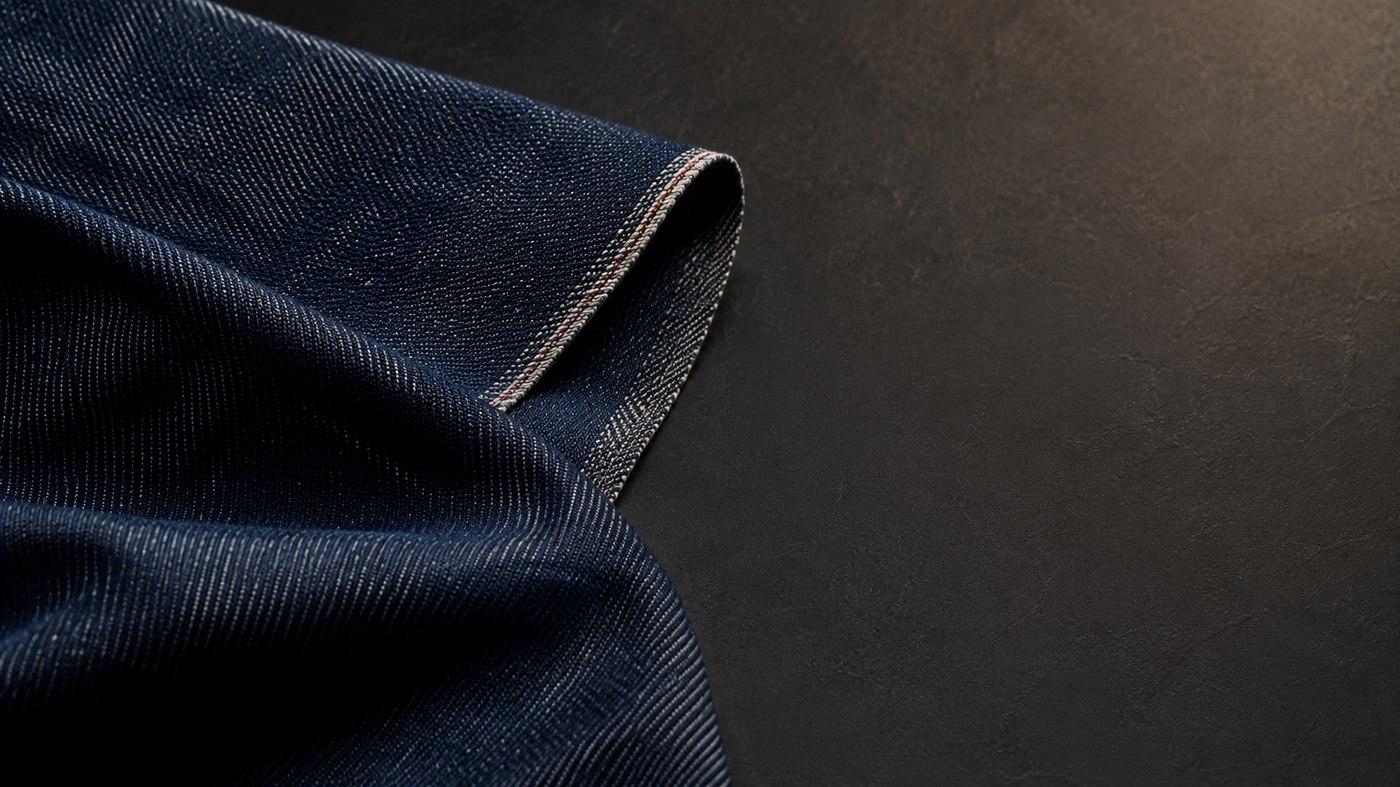
Sanforized fabric is woven cloth, typically cotton denim, twill or shirting, that has been mechanically compacted lengthwise on a compressive shrinking machine, so much of its shrinkage happens before the garment is cut. The process reduces residual wash shrinkage but never removes it, so write warp and weft limits and the wash method on your purchase order.
What is sanforized fabric?
Sanforized fabric is cloth that has had part of its future wash shrinkage taken out at the finishing stage by controlled compression. You will meet the term on 3/1 denim, drill, chino twill and shirting. British and European documents often spell it "sanforised".
The name began as a trademark. It comes from Sanford Cluett, whose process was patented in 1930 and licensed to the industry by Cluett Peabody. The trade now also uses the word loosely for any compressively shrunk cloth, so ask a supplier which one is meant.
Sources disagree on the number because they mean different things. The standard on the Sanforized licensing site limits labelled woven fabric to 1% shrinkage or gain in warp or weft on an ISO 6330 wash test, and allows the change to be 1.5% higher with tumble drying and on making up. Other trade sources quote about 3% for denim. Without the licensed mark, the word describes a process and says nothing about your lot's residual shrinkage or the wash assumed.
How does compressive shrinking actually work?
Compressive shrinking is a mechanical finish that forces the warp yarns to take up more crimp, so the same length of yarn occupies a shorter length of fabric. A typical range runs like this:
- Moisten. Steam or water spray makes the cloth pliable.
- Lay on a stretched surface. The fabric is fed onto a thick rubber belt, or a felt blanket on some ranges, at a point where the belt's outer surface is stretched around a roller.
- Compress. The belt enters a nip against a heated cylinder and its curve reverses. Its surface contracts, and the fabric held against it has to shorten too.
- Set. A dryer fixes the compacted state.
Finishers typically wash-test the unshrunk cloth first, then set the compression to match the shrinkage they measured. Expect picks per inch and GSM to rise slightly, so check whether your construction and weight figures are stated before or after this step.
The action is lengthwise, so width stability depends largely on how the cloth is set on the stenter. Cotton-rich cloth gains the most. In a 60/40 polyester-cotton twill such as our published workwear specification (14 × 14 / 82 × 48, 3/1), heat-setting of the polyester also shapes stability. Elastane adds its own recovery behaviour, so test stretch denim as stretch denim. Cloth compressed too far can grow in the wash instead of shrinking.
What is the difference between processing shrinkage and residual shrinkage?
Processing shrinkage is the length and width cloth loses between greige and finished fabric. Residual shrinkage is what the finished fabric still loses when it is washed. The first decides how many metres you get. The second decides whether the garment still fits.
Wet processing pulls cloth under tension, which stores length that wants to come back, so fabric can lose width in the range and still shrink in length in the customer's machine. Compressive shrinking acts on that stored residual, not on processing loss. Our guide to greige-to-finished conversion covers processing loss.
| Processing shrinkage | Residual shrinkage | |
|---|---|---|
| When it happens | Desizing, scouring, dyeing, stentering | Garment washing and consumer laundering |
| What it affects | Yield and greige quantity | Fit and pattern allowance |
| What controls it | Finishing route and width setting | Compressive shrinking and stenter setting |
| Where to specify it | Finished width and GSM on the order | Warp and weft limits plus wash method |
Is raw denim always unsanforized, and does it matter?
No. "Raw" means the denim has not been washed. "Sanforized" means it has been compressively shrunk. They are independent, so a 12 oz (about 407 GSM, at 33.9 GSM per oz/yd²) 3/1 raw denim can be either. Our denim weights guide covers weight; the sanforizing choice sets your pattern.
| Route | Pattern decision | Main risk |
|---|---|---|
| Raw, unsanforized | Cut oversize for a deliberate shrink-to-fit, or wash the fabric first | Consumers misjudge size, and shrinkage varies by lot and wash |
| Raw, sanforized | Cut close to size with a tested allowance | Buyers assume "no shrinkage" and skip the wash test |
| Sanforized, garment washed | Pattern for the shrinkage of your actual wash recipe | Testing the fabric in a home wash, then running a different garment wash |
Unsanforized cloth also tends to twist in twill constructions as it shrinks, which is why skew belongs on the same test report. Choose unsanforized only when the shrink is part of the product and your sizing is built around it.
How is residual shrinkage tested and reported?
Residual shrinkage stays above zero because cotton fibres swell and relax in water, and because agitation and heat release tension that compression did not reach. A hot tumble dry and a line dry can therefore give different figures for the same cloth, so a percentage without a wash method tells you little.
Two test families are in common use:
- AATCC TM135 (2025 is the edition on AATCC's store) measures length and width changes after home laundering, with a choice of four washing temperatures, three agitation cycles and four drying procedures.
- The ISO set works as a group: ISO 3759:2011 for preparing, marking and measuring specimens, ISO 6330:2021 for the washing and drying procedures, and ISO 5077:2007 for determining the change.
Do not assume a result from one family converts to the other. Choose one method for the programme and keep it.
Change % = (after − before) ÷ before × 100. As illustration only, not a target, marks 500 mm apart that measure 490 mm after washing give −2.0%, and lab reports commonly show shrinkage as a negative. Allowing for that figure, an 800 mm finished length needs 800 ÷ 0.98 ≈ 816 mm on the pattern.
A usable report states warp and weft separately, the method and edition, the procedure and drying codes, the number of wash cycles and the lot tested. Pair it with the wider list of fabric tests to request before bulk, and test from the bulk lot before cutting.
How should shrinkage limits be written on a purchase order?
Write the limit as a signed band, per direction, tied to one method. Limits are agreed per programme, because the right figure depends on the cloth and the garment. Copy these lines:
- Finish: compressively shrunk (sanforized); state whether the licensed mark is required
- Residual shrinkage, warp: −[agreed]% to +[agreed]%
- Residual shrinkage, weft: −[agreed]% to +[agreed]%
- Method: [AATCC TM135 or ISO 5077 with ISO 6330 and ISO 3759], stating edition
- Wash and dry: [procedure code], [drying method], [number of cycles]
- Sampling: [rolls per lot] tested from bulk, with report before cutting
- Skew or twist limit: [agreed]% for twills, with its own named method
Tighter limits narrow the units that can run the job and raise the chance of reprocessing and delay. Set them from your pattern allowance, not from a number that sounds strict.
Burhan Enterprises is a sourcing partner in Karachi, not a mill: we match a requirement to suitable partner units and hold the specification and approvals through production. We publish no standard shrinkage range, so limits are written per programme. If your wash method is settled, start from our denim fabric sourcing page, with availability confirmed per enquiry as Available, Limited or Made to order.
Quick answers
Does sanforized fabric shrink at all? Yes. Compressive shrinking removes part of the shrinkage, but some always remains: the standard published for the licensed Sanforized mark allows woven fabric up to 1% in warp or weft on an ISO 6330 wash, and 1.5% more with tumble drying or making up. Cloth called sanforized without the mark carries no set figure, so ask for a test report giving warp and weft separately and naming the wash method.
Is raw denim the same as unsanforized denim? No. Raw denim has not been washed, while unsanforized denim has not been compressively shrunk, so a raw denim can be either. The difference decides the pattern: unsanforized denim needs a deliberate shrink-to-fit or a pre-wash, while sanforized raw denim can be cut closer to size with a tested allowance.
Which test method should a buyer specify for fabric shrinkage? Buyers commonly specify AATCC TM135 for home laundering, or the ISO set of ISO 5077 with ISO 6330 and ISO 3759. Choose the one your market and laboratory already use, then keep it for the whole programme. State the edition, the wash and drying procedure and the number of cycles, because results from different procedures are not directly comparable.
Why should a purchase order give both warp and weft shrinkage limits? Warp and weft move by different amounts, and compressive shrinking acts mainly on length, while width stability depends largely on stenter setting. A single combined figure can therefore hide a weft problem that spoils garment fit. Write a separate signed limit for each direction, tied to one named wash method and tested from the bulk lot before cutting starts.
Ready to source this?
Free swatches, honest lead times, one accountable partner.
Request free swatches