Cotton Fabric Types Every Brand Should Know
Poplin, twill, lawn, cambric, oxford and more — a practical guide to the cotton wovens behind most collections.
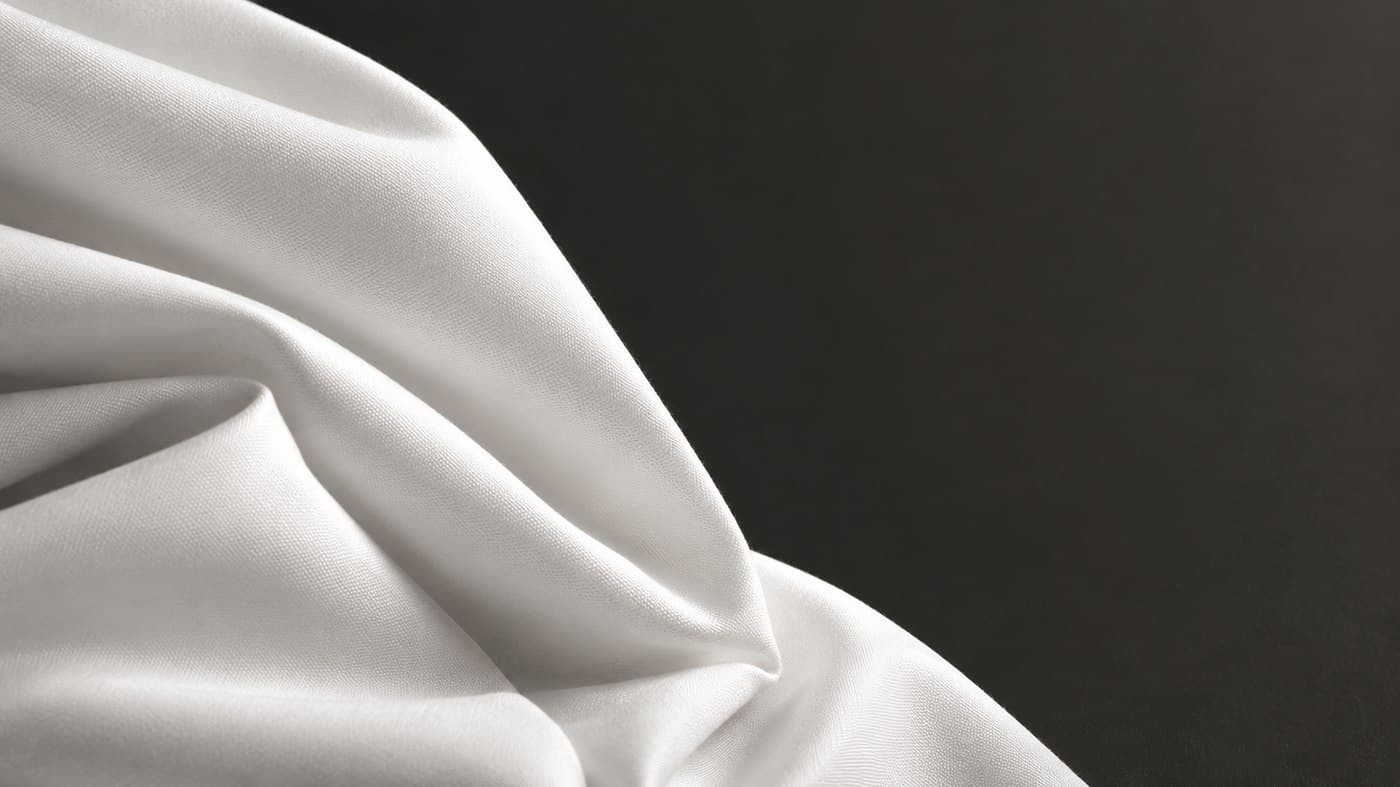
Cotton is the backbone of most collections — but "cotton" covers dozens of distinct fabrics, each with its own weave, weight and personality. Knowing the names matters commercially: a buyer who can say "I want a 110 gsm poplin, not a lawn" gets a sharper quote and a first sample that lands closer to the reference. Here are the wovens worth knowing.
The essentials
- Poplin — a fine, tightly woven plain weave with a smooth, crisp hand. A fine warp against a slightly heavier weft gives it a faint crosswise rib. The default for shirting and dresses.
- Lawn — lighter and finer than poplin, usually woven from combed yarns, with a soft, semi-sheer feel. Great for blouses and summer pieces.
- Cambric — a smooth, closely woven plain cotton, slightly fuller than lawn, often lightly calendered for a subtle sheen. A quiet workhorse for shirting and linings.
- Twill — a diagonal weave that's durable, drapes well and hides wear. Used for chinos, jackets and heavier shirting.
- Oxford — a basketweave with subtle texture and body; a menswear shirting staple. Its finer cousin, pinpoint oxford, dresses the same construction up.
- Voile — light, airy and semi-transparent. High-twist yarns give it a dry, crisp touch despite the low weight — ideal for very soft summerwear.
Typical weights at a glance
Weights vary by construction and finish, but these ranges are a reliable starting point for a brief:
| Fabric | Weave | Typical weight | Common end uses |
|---|---|---|---|
| Voile | Plain, open | 50–80 gsm | Summer tops, overlays |
| Lawn | Plain, fine | 60–90 gsm | Blouses, dresses |
| Cambric | Plain | 90–120 gsm | Shirting, linings |
| Poplin | Plain | 100–140 gsm | Shirts, dresses |
| Oxford | Basketweave | 130–180 gsm | Casual shirting |
| Twill | Diagonal | 180–320 gsm | Chinos, jackets |
| Canvas | Plain, heavy | 250–400 gsm | Workwear, bags |
Beyond the basics
Once the staples are covered, a few more constructions earn their place in a range plan. Canvas brings rugged body for workwear and accessories. Herringbone is a twill that reverses direction to form a chevron — texture without print. Dobby weaves add small geometric motifs directly in the loom. Flannel is a brushed twill or plain weave with a soft, raised surface for cold-season shirting, and seersucker puckers in the loom for a summer texture that never needs ironing.
How to choose
Match the fabric to the garment's job:
- Structure vs drape — poplin and oxford hold shape; lawn and voile flow. A boxy overshirt and a bias-cut dress should not share a base.
- Weight (GSM) — heavier for bottoms and outerwear, lighter for tops. If in doubt, sample one weight up and one down from your target.
- Finish — mercerising adds sheen, strength and dye affinity; peaching adds softness; brushing adds warmth. The same greige can become three very different fabrics.
One base, three starting points
Most of these constructions are available as greige (loom-state), RFD (ready for dyeing) or dyed, so you can control colour and finish downstream. Greige gives maximum flexibility and the lowest entry price; RFD shortens lead time to colour; dyed is the fastest route to a finished fabric. Which one suits you depends on your quantities, your timeline and how much of the processing you want to own.
Browse cotton wovens in our Fabric Library or request free swatches — tell us the garment, and we'll shortlist the constructions worth sampling. Building a first collection? Start with fabric sourcing for small clothing brands.
Poplin is where most shirting programmes start — see cotton poplin shirting fabric.
Prêt à sourcer ce tissu ?
Échantillons gratuits, délais honnêtes, un partenaire unique et responsable.
Demander des échantillons gratuits